Environmental Social Governance for Private Developers & Philanthropists
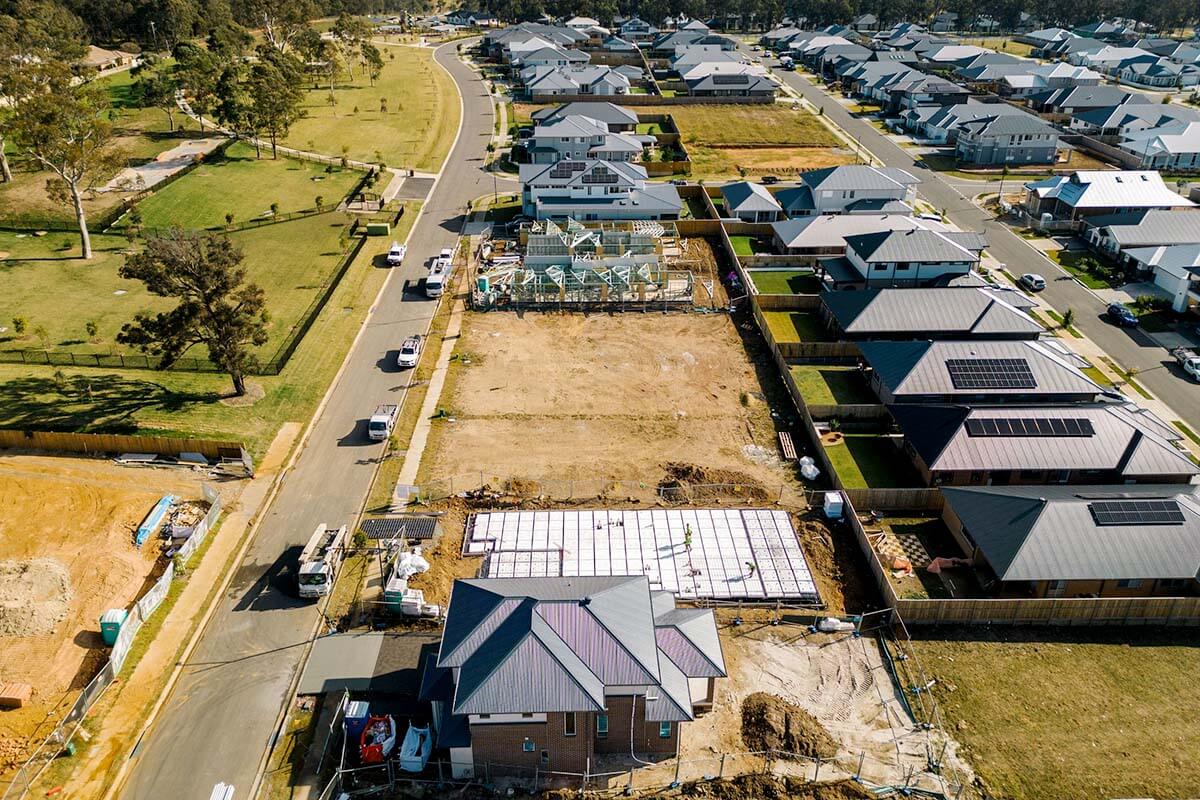
An Environmental Social Governance that is place-based aligned & community driven, could become a housing solution for Augusta Margaret River.
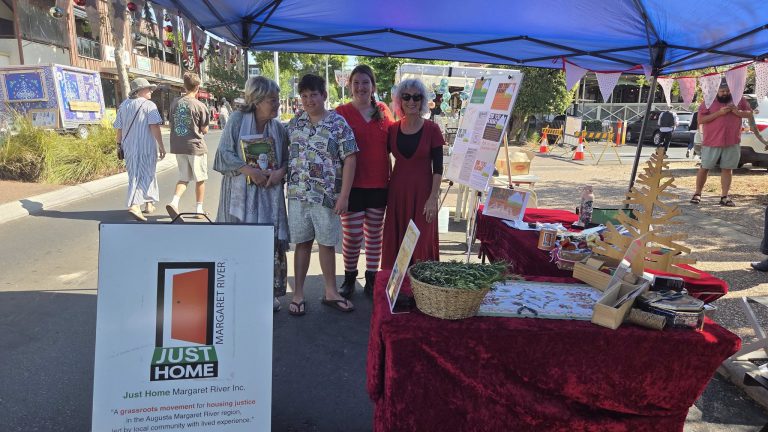
Augusta Margaret River is facing a housing challenge that can’t be solved by government alone. The Social & Affordable Housing Taskforce, convened by Just Home brings together the right stakeholders to design place-based, practical & diverse housing solutions. For private developers & local philanthropists, this is a moment to lead with both ethics & strategy.
1. Benefits for Private Developers Incorporating Social & Affordable Housing
Ethical responsibility meets commercial advantage
Developers are increasingly expected to demonstrate responsible, community aligned development. ESG pressures, planning expectations, & market realities mean that contributing to social & affordable housing is no longer a charitable gesture, it’s a smart, long-term strategic business decision, that can strengthen ESG credentials & support engagement with lenders, investors, & insurers.
Here’s why it makes commercial sense:
- ESG advantage: Whilst small & medium sized businesses are not ESG mandated, many banks, insurers, & investors increasingly consider ESG factors as part of their risk assessment & investment decision making. Social housing delivers measurable Social & Governance outcomes.
- Planning benefits: Developments that demonstrate community benefit are often better aligned with local planning objectives & may attract stronger community support. Incorporating social housing components can strengthen approvals & reduce community opposition.
- Market resilience: Mixed tenure developments can diversify risk & contribute to long-term community & market resilience, especially when determined by the needs of the region.
- Supported pathway: Developers don’t need to manage social housing. The Taskforce connects them with CHPs who handle tenancy, compliance, & operations. This can be a lasting investment for either the developer or the CHP, depending on arrangements after the build.
- Local impact: This can be one of the strongest ESG outcomes a developer can demonstrate. Building housing that meets local needs demonstrates ethical & sustainable practice, which strengthens their ongoing reputation.
Bottom line: Developers who incorporate social & affordable housing can strengthen ESG credibility, support planning outcomes, build community trust & social licence, which contribute to long-term value, without taking on operational risk.
2. Benefits for Local Philanthropists to Join a Community Foundation
Good governance, lasting impact, & a legacy for the region
A Community Foundation gives local philanthropists a structured, transparent, well governed vehicle to invest in sustainable housing solutions. It ensures contributions are used wisely, locally, & in ways that create long-term benefit for the community & workforce.
Here’s why it matters:
- Strong governance: A Foundation provides oversight, accountability, & transparent decision making.
- Place-based impact: Funds stay in the region & directly support local housing solutions for a dynamic community.
- Leverage: Philanthropic contributions can help attract complementary funding opportunities, including government grants, CHP partnerships, & developer collaboration.
- Sustainable outcomes: A Foundation can invest in modular housing, land acquisition, mixed tenure developments, & innovative models that create lasting community benefits.
- Community wellbeing: Stable housing strengthens workforce retention; local business viability; vibrant social cohesion, & long-term regional resilience.
Bottom line: Philanthropists can create a legacy of stable, sustainable housing for the AMR community with strong governance, transparency, & measurable social impacts.
3. The Role of the Social & Affordable Housing Taskforce
The convenor, the strategist, the bridge
The Taskforce provides the structure that makes all of this possible:
- brings developers, CHPs, philanthropists, government, & community together
- provides data, insights, & place-based strategy
- reduces risk & uncertainty for developers
- ensures governance & accountability for philanthropists
- aligns all actors toward shared housing outcomes
Just Home’s role in the Taskforce is to: Convene, coordinate, & keep the system accountable to reflecting solutions suited to AMR’s local, community realities.